Foundational Anatomy

Terminology, Osteology, Arthrology, Myology and Neurovascular Principles

Build a strong anatomical foundation; master essential terms, structures and systems that underpin all clinical and functional understanding of the human body.

watermark

Anatomy Terms

The universal reference posture used to describe the precise location, orientation, and relationships of all anatomical structures.

Standard anatomical terminology defining spatial relationships between body structures, ensuring consistent and accurate clinical communication.

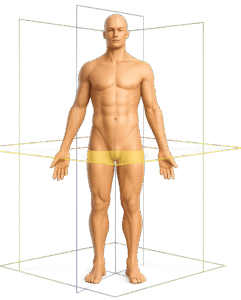
Imaginary anatomical planes and rotational axes used to describe body sections, movement, and biomechanical function.

Bone Anatomy

Bones are categorized by shape, structure, development, and function into long, short, flat, irregular, sesamoid, and pneumatic types.

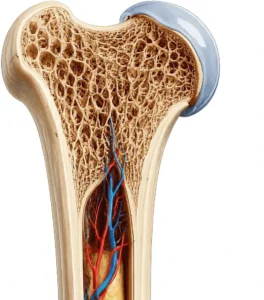
Bone consists of cortical and trabecular components that provide mechanical strength while maintaining metabolic activity and structural efficiency.

Continuous osteoblastic bone formation and osteoclastic resorption maintain skeletal integrity, mineral homeostasis, and adaptation to mechanical stress.

Bone develops through intramembranous and endochondral ossification, forming the mature skeleton during growth and repair.

Joint Anatomy

Joints are structurally classified as fibrous, cartilaginous, or synovial according to the tissues connecting adjacent bones.

Bones are united by dense connective tissue, providing minimal movement with maximum mechanical stability.

Bones are connected by cartilage, permitting limited mobility while absorbing mechanical forces.

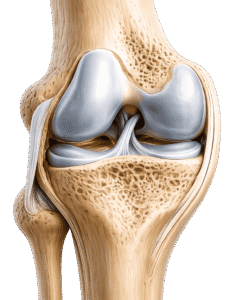
Highly specialized joints containing a synovial cavity that enables smooth, stable, and extensive movement.

Muscle Anatomy

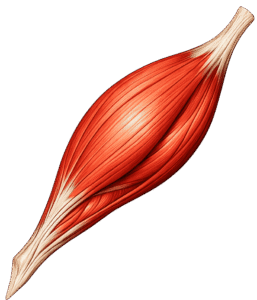
Muscles are categorized by histology, function, architecture, and location into skeletal, cardiac, and smooth muscle.

Fiber arrangement determines force generation, contraction velocity, and the functional performance of individual muscles.

Muscles produce movement through coordinated agonist, antagonist, synergist, and stabilizer activity.

M

Vascular Anatomy

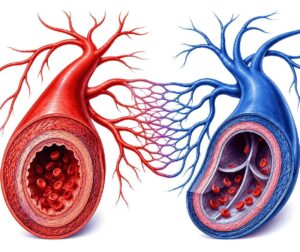
Provides oxygenated blood to tissues through branching arterial networks, maintaining organ perfusion, metabolic support, and physiological function.

Returns deoxygenated blood and metabolic waste to the heart through superficial and deep venous systems, regulating circulatory homeostasis.

Nerves Anatomy

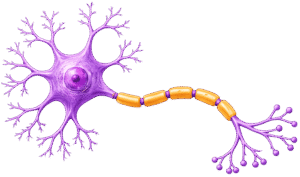
Bundles of sensory, motor, and autonomic axons that connect the central nervous system with muscles, glands, and peripheral tissues.

Fusion  of the ventral rami of  spinal nerves that redistribute nerve fibers to form the major peripheral nerves of the limbs and trunk

Key Point

Every anatomical region is organized around three fundamental systems: 

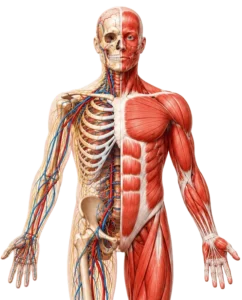
muscles generate movement, blood vessels provide perfusion, and nerves coordinate sensory and motor function.

Scroll to Top